What tools do I need for basic home repairs
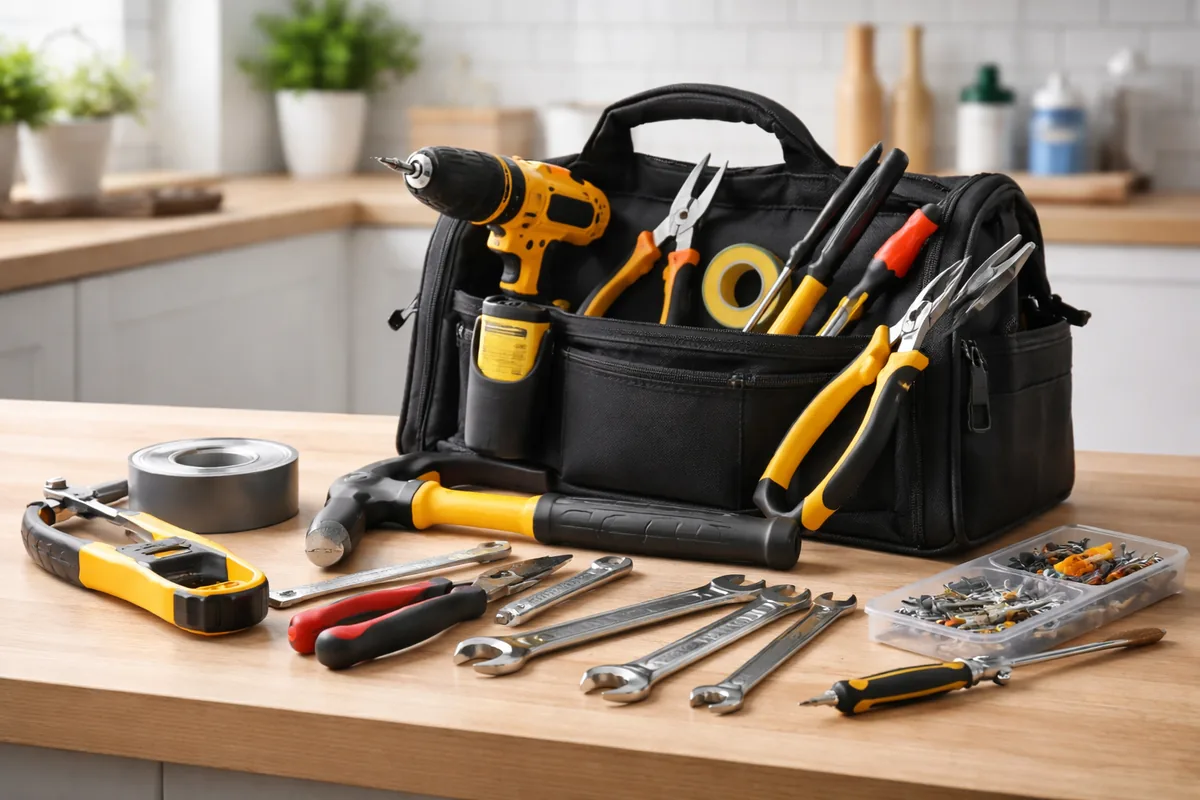
To address basic home repairs, you typically need a selection of essential tools that help you complete the tasks successfully and efficiently. Core tools include a hammer, screwdrivers, pliers, a tape measure, and a level. These tools enable you to fix common issues around your home such as loose screws, creaky doors, and minor plumbing troubles.
The essential tools for home repairs
Each tool plays a vital role in your home maintenance arsenal. Understanding their purposes will empower you in various repair situations. Below is a detailed overview of essential tools that every homeowner should consider keeping in their toolkit.
1. Hammer
A hammer is fundamental for most repairs, primarily used for driving nails into wood or other materials. When selecting a hammer, choose one that feels comfortable in your hand. A claw hammer is often the best choice for general use due to its dual functionality of driving and removing nails.
2. Screwdrivers
Screwdrivers are crucial for tightening or loosening screws. It’s advisable to have both flathead and Phillips screwdrivers in various sizes. A multi-bit screwdriver can also be convenient, allowing for rapid size changes without cluttering your toolbox.
3. Pliers
Pliers are versatile tools essential for gripping, twisting, and cutting wire and small objects. Needle-nose pliers are particularly useful for reaching into tight spaces, while adjustable pliers (also known as channel locks) can securely grip different sizes of nuts and bolts.
4. Tape measure
A good quality tape measure is crucial when you need to measure spaces for repairs or installations. Look for a tape measure that extends at least 25 feet and has a durable casing. Ensure it has clear markings in both inches and metric units for versatility.
5. Level
A level is necessary for ensuring that your shelves, frames, and installations are straight. A standard 2-foot bubble level should serve most home repair tasks, but a torpedo level is handy for smaller jobs.
Additional tools for more complex repairs
While basic tools are sufficient for minor fixes, having additional tools can be beneficial for tackling more complex home repairs or renovations. Here are a few that you might find useful:
1. Cordless drill
A cordless drill is invaluable for drilling holes and driving screws quickly and effectively. Choose a drill with adjustable speed settings and various drill bits to enhance its usability.
2. Utility knife
An utility knife is excellent for cutting through boxes, carpet, and other materials. Opt for one that has a retractable blade for safety and easy storage.
3. Work gloves
Protecting your hands while working is crucial. A sturdy pair of work gloves will protect against cuts, punctures, and abrasions, ensuring safety during repairs.
4. Ladder
A ladder allows you to reach high places for tasks like changing light bulbs, repairing roofs, or painting. A step ladder is great for indoor tasks, while an extension ladder may be necessary for outdoor jobs.
5. First aid kit
Accidents can happen while performing home repairs. Having a well-stocked first aid kit on hand ensures you can quickly tend to injuries, ranging from cuts to sprains.
Toolboxes and organization
Organizing your tools effectively can save time and frustration when it comes to repairing your home. A sturdy toolbox or tool chest offers a place to store your tools securely. Consider choosing a toolbox with compartments for smaller items like screws and nails. Labeling each compartment or drawer can make finding the right tool quicker and more efficient.
Maintenance and care of tools
To ensure your tools continue to work effectively, regular maintenance is vital. Keep them clean and dry, especially after use to prevent rust and deterioration. For moving parts like drills and saws, lubricating them periodically can ensure their longevity. Store tools in a climate-controlled area to avoid damage from extreme temperatures or humidity.
| Tool | Use | Recommended features |
|---|---|---|
| Hammer | Driving nails | Claw type with comfortable grip |
| Screwdriver | Tightening/loosening screws | Flathead & Phillips heads |
| Pliers | Gripping and cutting | Needle-nose & adjustable types |
| Tape measure | Measuring lengths | At least 25 feet long |
| Level | Ensuring straightness | 2-foot bubble level |
FAQ
What is the most important tool for home repairs?
The hammer is often regarded as the most important tool because it serves multiple purposes, including driving and removing nails.
Do I really need a cordless drill?
A cordless drill is highly beneficial as it speeds up the process of driving screws and drilling holes, making it easier for more complex repairs.
How do I organize my tools effectively?
Using a toolbox with compartments and labeling items helps keep tools organized and easy to access when needed.
What safety equipment do I need for home repairs?
Along with gloves, safety goggles and a first aid kit are important to protect against injuries while performing repairs.
Can I use a regular screwdriver for any screw type?
Using the correct type of screwdriver, either flathead or Phillips, ensures proper use without stripping the screw head, leading to a more efficient repair process.