How to clean mold from bathroom tiles
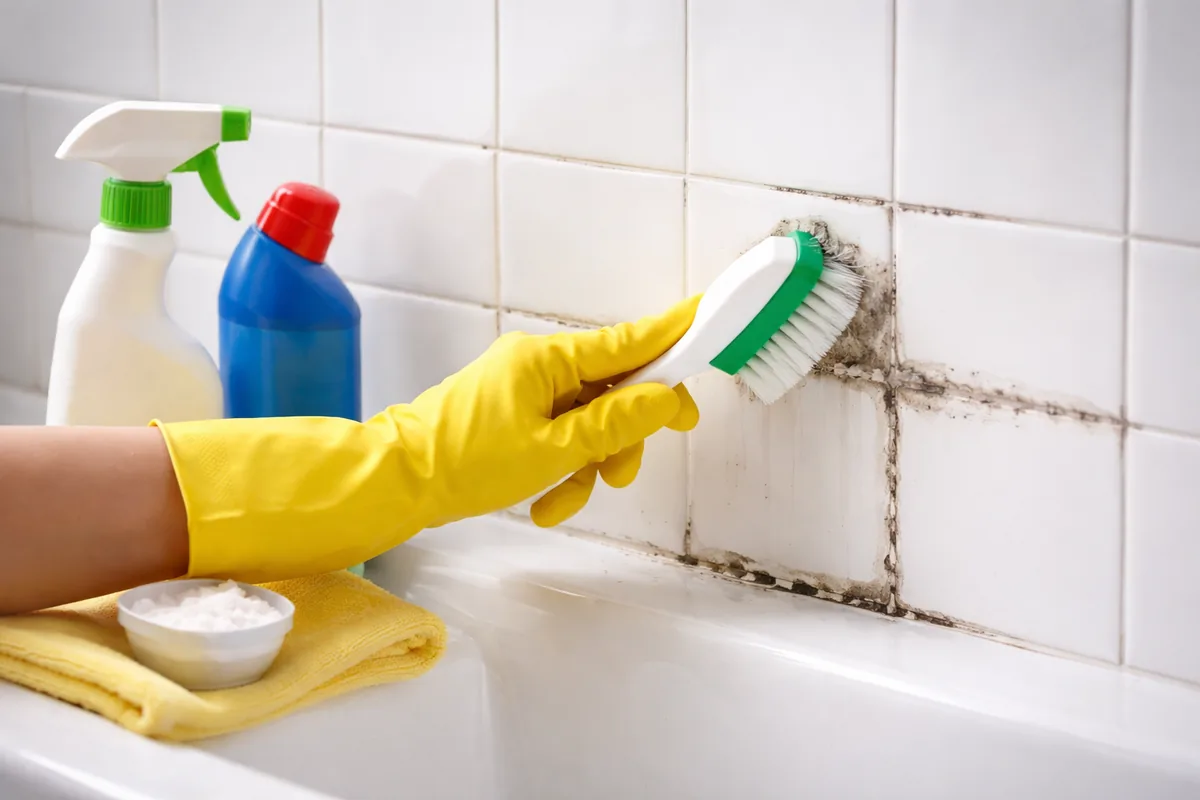
To clean mold from bathroom tiles, use a mixture of water and vinegar or a dedicated mold cleaner. Scrub the tiles with a brush and rinse thoroughly. For persistent mold, consider using bleach mixed with water, but ensure proper ventilation.
Understanding mold growth
Mold thrives in damp and humid environments, making bathrooms prime candidates for growth. The spores are usually airborne and can settle on surfaces, particularly where moisture lingers. Factors such as inadequate ventilation, high humidity levels, and the presence of organic materials (like soap scum) contribute significantly to mold formation on bathroom tiles. Recognizing the conditions that enable mold growth will aid in both cleaning and prevention efforts.
Essential cleaning supplies
Gathering the right cleaning supplies is crucial for effectively removing mold from bathroom tiles. The following items are recommended for this task:
- White vinegar
- Baking soda
- Dish soap
- Protective gloves
- A scrub brush or sponge
- Spray bottle
White vinegar is a natural mold killer, while baking soda acts as a gentle abrasive to scrub away the mold without damaging the tiles. Dish soap helps to cut through any grease or soap buildup, which can trap moisture and foster mold growth. Wearing protective gloves is essential for safety, especially when handling harsh chemicals.
Step-by-step cleaning process
Follow these steps for a thorough cleaning of mold from bathroom tiles:
Step 1: Prepare the area
Ensure the bathroom is well-ventilated before beginning the cleaning process. Open windows and turn on exhaust fans to allow fresh air to circulate. Additionally, remove any items or decorations near the tiles that may obstruct your access.
Step 2: Apply the cleaning solution
Choose either a vinegar solution or a commercial mold cleaner. If using vinegar, mix equal parts vinegar and water in a spray bottle. Spray the solution generously over the affected tiles, ensuring the mold is thoroughly saturated. For stubborn mold, let the solution sit for at least 30 minutes to penetrate and loosen the spores.
Step 3: Scrub the tiles
Using a scrub brush or a sponge, vigorously scrub the moldy areas. Focus on the grout lines where mold often accumulates. If using baking soda, create a paste with water and apply it to the scrub brush for enhanced scrubbing power. Rinse the brush in between scrubbing to ensure you are removing the mold rather than spreading it.
Step 4: Rinse and dry
After scrubbing, rinse the tiles thoroughly with warm water to remove any remaining cleaning solution and debris. Make sure to dry the tiles completely using a clean towel or allow them to air dry. Keeping surfaces dry is essential in preventing future mold growth.
Preventing mold in the bathroom
Preventing mold from returning involves implementing effective moisture control strategies. Start by ensuring proper ventilation. Use exhaust fans during and after showers to reduce humidity levels. Consider using a dehumidifier if your bathroom tends to remain humid. Additionally, regularly inspect and repair any leaks around plumbing fixtures and windows to eliminate potential moisture sources. A weekly cleaning routine focusing on drying surfaces will also significantly reduce mold growth chances, especially in hard-to-reach areas.
Common mistakes to avoid
When cleaning mold from bathroom tiles, several common mistakes can hinder your efforts:
- Using towels that are not absorbent to dry surfaces.
- Neglecting to treat mold in hidden areas, such as behind appliances or under sinks.
- Applying cleaning agents without proper ventilation.
Being mindful of these pitfalls can enhance the effectiveness of your cleaning routine and contribute to long-term mold control.
When to call a professional
If mold growth persists despite your cleaning efforts or if the affected area exceeds 10 square feet, it is best to consult a professional. A specialist can effectively handle larger infestations and identify underlying problems contributing to mold growth, such as leaks or ventilation issues. Early intervention is key to preventing extensive damage to your bathroom, so don’t hesitate to seek expert help when necessary.
FAQ
What causes mold on bathroom tiles?
Mold grows on bathroom tiles due to high humidity levels, poor ventilation, and the presence of organic materials. These conditions create an ideal environment for mold spores to settle and multiply.
Can I use bleach to clean mold?
Yes, bleach can be used to clean mold, but it should be mixed with water in a ratio of 1:10. Always ensure proper ventilation and wear protective gloves when using bleach.
How can I prevent mold from returning?
To prevent mold from returning, ensure good ventilation, fix leaks promptly, and keep surfaces dry. Regular cleaning and using moisture-absorbing products can also help.
Is white vinegar effective against mold?
Yes, white vinegar is a natural mold killer and can effectively eliminate mold without harsh chemicals. It’s safe to use on most bathroom surfaces.
How often should I clean my bathroom to prevent mold?
Cleaning your bathroom at least once a week is recommended to prevent mold growth. Pay special attention to areas that remain damp and prone to mold.