Can I paint over old wallpaper in my living room
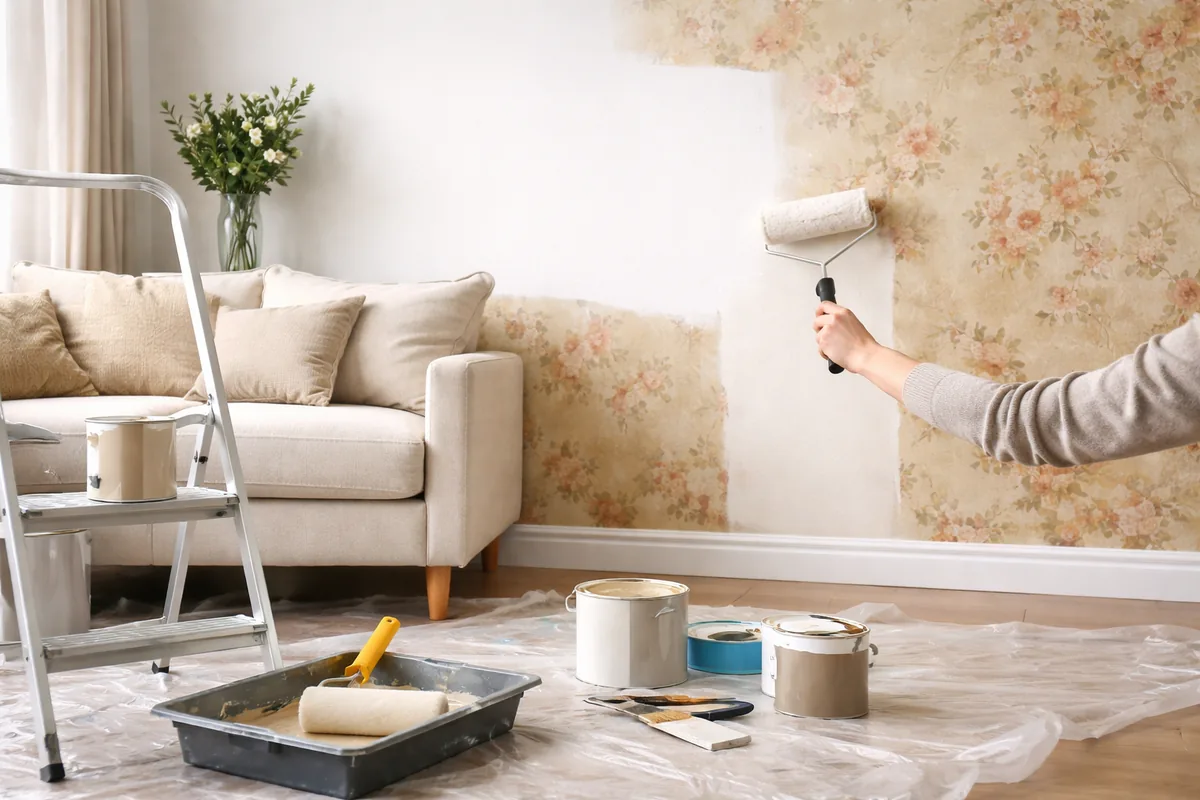
Yes, you can paint over old wallpaper in your living room, but considerable preparation is necessary to ensure a successful result. The condition of the wallpaper and the type of paint you choose are critical factors in this process. Painting over wallpaper can save time and money, but if not done correctly, it can lead to peeling and poor adhesion.
Evaluating the condition of your wallpaper
Before deciding to paint over old wallpaper, assess its condition thoroughly. Look for signs of damage, such as tears, bubbles, or peeling edges. If the wallpaper is heavily damaged or loose in certain areas, it’s recommended to remove it instead of painting over it. Any imperfections will be magnified once the paint is applied, leading to an unattractive finish.
Preparing the surface
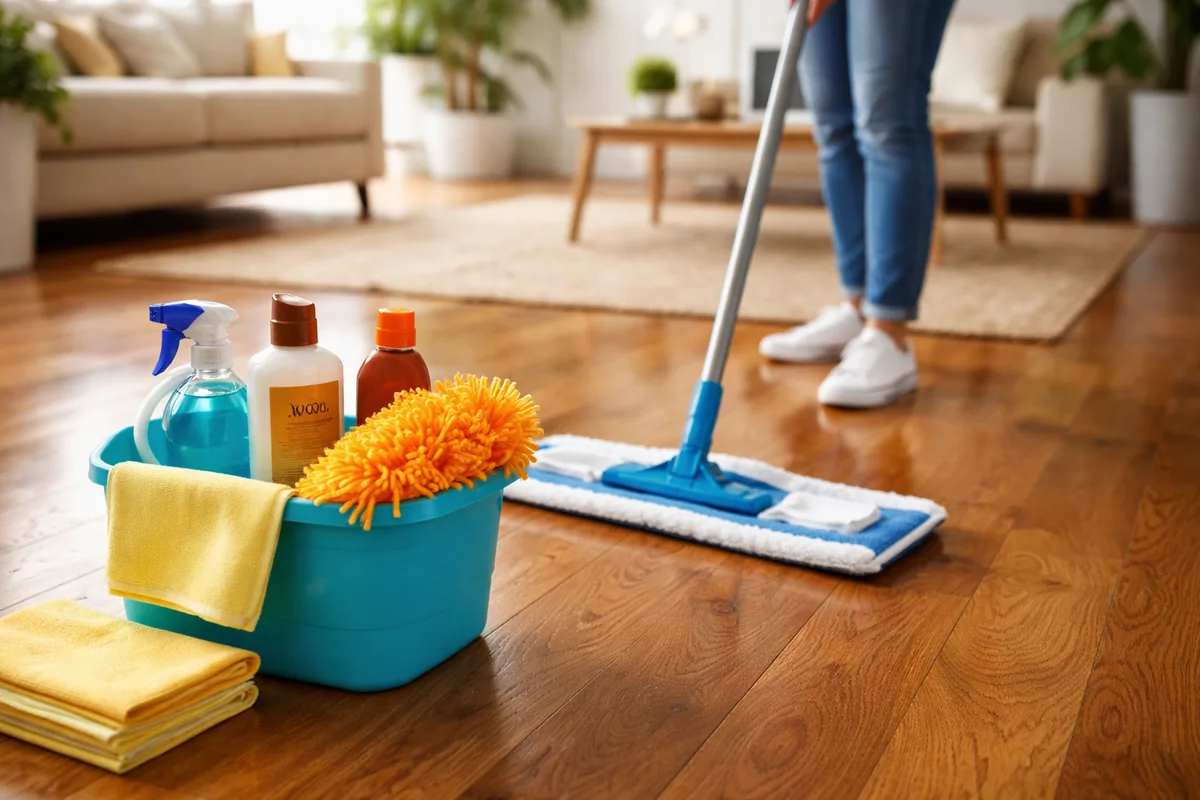
Preparation is key to achieving a beautiful finish. Start by cleaning the wallpaper with a gentle detergent solution to remove dust and grease. Allow it to dry completely before proceeding. Next, fill any gaps or seams between the wallpaper sections with a flexible filler to create a smooth surface. Sand the edges lightly to avoid visible transitions once painted. If the wallpaper has a glossy finish, consider lightly sanding it to help the paint adhere better. Cleaning and prepping the surface is essential for durability.
Choosing the right paint
When painting over wallpaper, opt for a high-quality, water-based paint. Latex paint is typically preferred because it dries quickly and offers easy cleanup. Consider using a primer designed for wallpaper to enhance adhesion and block any patterns from showing through, especially if the wallpaper has vibrant colors or bold designs. Even though it might add an extra step, applying primer helps achieve even coverage and improves the paint’s durability.
Application techniques
Once the surface is prepped and primed, it’s time to paint. Use a roller for larger areas to achieve a smooth finish, and a brush for edges and corners. Apply the paint in thin, even layers, allowing adequate drying time between coats. Generally, two coats are recommended for full coverage. If you’re painting a darker color over lighter wallpaper, it may require even more layers. Pay attention to coverage, and ensure consistent application throughout the room.
Maintenance of painted wallpaper
After successfully painting over old wallpaper, regular maintenance is crucial to prolong its lifespan. Avoid exposing the painted surface to excessive moisture, which can lead to peeling. Use a soft, damp cloth to clean the walls lightly. If you notice areas where the paint is beginning to lift or peel, address these issues immediately to prevent further damage. Adding a coat of protective clear finish can also help increase durability.
Cost considerations
The cost of painting over old wallpaper can vary depending on several factors, including the size of the room and the quality of materials used. On average, you might expect to spend between $30 and $60 per gallon of paint, with primer typically running between $15 and $30 per gallon. Additionally, factor in the costs of other materials needed, such as filler and cleaning supplies. It is a good idea to budget for a few extra supplies, as unexpected repairs might be necessary.
| Material | Average Cost |
|---|---|
| Primer (per gallon) | $15 - $30 |
| Paint (per gallon) | $30 - $60 |
| Filler (per tube) | $5 - $10 |
| Cleaning supplies | $10 - $20 |
FAQ
Is it better to remove wallpaper before painting?
Removing old wallpaper is often recommended, especially if it is damaged or heavily textured. This ensures a smoother final finish and better paint adhesion.
Can I use any type of paint over wallpaper?
Water-based latex paint is best suited for painting over wallpaper due to its quick-drying nature and easy cleanup. Primer specifically for wallpaper is also advisable.
What should I do if the wallpaper starts to peel after painting?
Address any peeling areas promptly by repairing the wallpaper or applying additional adhesive. Touch up the paint as needed for a seamless look.
How long should I wait between paint coats?
Typically, waiting at least two hours between coats is advisable, but refer to the paint manufacturer's instructions for the best results.
Can I paint over vinyl wallpaper?
Yes, you can paint over vinyl wallpaper, but make sure to thoroughly clean and possibly sand the vinyl surface to enhance paint adhesion.