How to maintain hardwood floors to prevent scratches
To maintain hardwood floors and prevent scratches, regularly clean them, use protective pads under furniture, and avoid wearing shoes indoors to minimize debris scraping the surface.
Regular cleaning techniques
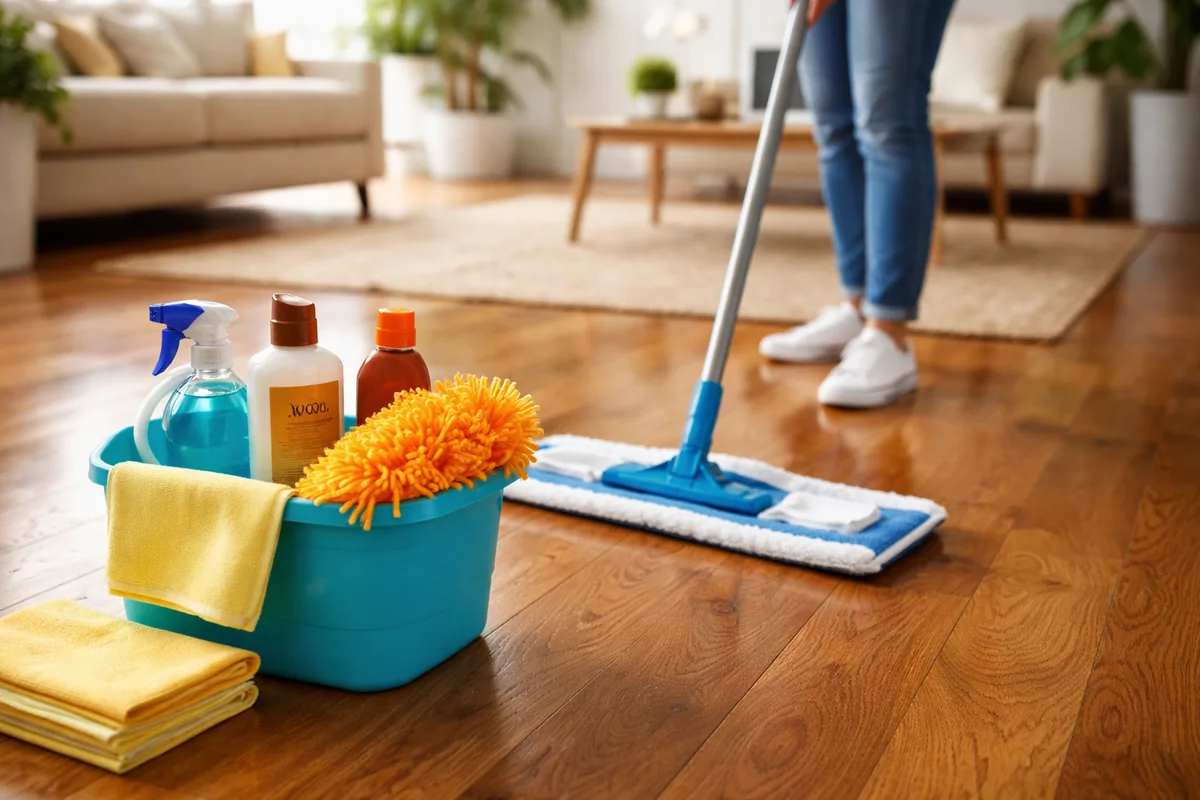
Consistent cleaning is critical for protecting hardwood floors. Begin by sweeping or vacuuming regularly to remove dirt and debris. Fine particles can create micro-scratches over time. Use a vacuum designed for hardwood floors or a broom with soft bristles to avoid damaging the surface. Additionally, implement a damp mopping regimen, utilizing a hardwood floor cleaner or a mixture of vinegar and water. Ensure the mop is slightly damp as excess moisture can warp wood.
Choosing the right cleaning products
Selecting appropriate cleaning products is essential to the longevity of hardwood flooring. Avoid abrasive cleaners or those that contain wax, which can leave a film and attract dirt. Instead, invest in pH-balanced cleaners specifically designed for hardwood. Many manufacturers recommend their own cleaning solutions that match their flooring, ensuring compatibility and avoiding damage. Always follow the manufacturer's guidelines and test a small, inconspicuous area before applying a new product to the entire floor.
Using protective measures
Furniture and foot traffic can inflict scratches on hardwood floors. To mitigate this risk, place felt pads under all furniture legs to prevent sliding and scratching. Additionally, consider using area rugs in high-traffic areas such as entryways and living rooms. Rugs not only add an aesthetic touch but also absorb the impact of foot traffic. Ensure that these rugs have non-slip backing to keep them in place and prevent tripping hazards.
Environmental control
Maintaining the environment where hardwood floors reside is crucial. Fluctuating humidity and temperature can cause wood to expand and contract, leading to surface cracks or scratches. Aim to keep indoor humidity between 30% and 50% using a humidifier or dehumidifier as needed. Also, setting your thermostat between 60°F and 75°F creates a stable environment, preventing the wood from becoming brittle or overly flexible.
Implementing a no-shoe policy
Encourage a no-shoe policy within the home to reduce the chance of outside debris scratching the floor. Outdoor shoes often carry gravel, dirt, and other harsh materials that can mar hardwood surfaces. Providing slippers or indoor-only shoes for guests can help maintain the cleanliness of your floors. Establish a designated area near the entrance for shoe storage, making it convenient for everyone to adhere to this policy.
Repairing surface scratches
Despite taking preventive measures, scratches may still occur. Assess these imperfections promptly to prevent further damage. For shallow scratches, consider using a wood floor repair kit, which usually includes a wax filler crayon that closely matches your floor's finish. Follow the kit's instructions for application to ensure a seamless repair. For deeper scratches, sanding and refinishing may be necessary; hiring a professional may be the best choice for extensive damage to achieve an aesthetically pleasing result.
Your hardwood floor maintenance checklist
| Task | Frequency |
|---|---|
| Sweep or vacuum | Weekly |
| Damp mop | Monthly |
| Check humidity levels | Monthly |
| Reapply polish (if applicable) | Every 3-6 months |
| Inspect for scratches | Monthly |
Long-term considerations
Long-term care and maintenance are vital for preserving the beauty and function of hardwood floors. Consider resealing your floors every 3 to 5 years to protect against wear and staining. This process may involve sanding down the existing finish before applying a new coat. Ensure that you use a finish compatible with your current flooring to achieve the desired sheen and durability. Additionally, schedule professional inspections yearly to assess the condition of your floors and to receive recommendations for maintenance tailored to your specific flooring type.
FAQ
How often should I clean hardwood floors?
You should sweep or vacuum hardwood floors weekly and damp mop them at least once a month to keep them clean and prevent scratches.
Can I use vinegar to clean hardwood floors?
Yes, vinegar diluted with water can be used, but ensure the solution is well-balanced to avoid damaging the finish. Always test on a small area first.
What should I do if my hardwood floor gets scratched?
For minor scratches, use a wood floor repair crayon to fill them. For deeper scratches, you may need to sand and refinish the area or hire a professional.
Is it necessary to use area rugs on hardwood floors?
While not necessary, area rugs are highly recommended in high-traffic zones to protect against scratches and add style to your home.
What humidity level is best for hardwood floors?
Maintaining indoor humidity levels between 30% and 50% is ideal for preserving hardwood floors and preventing warping or cracking.