How often should gutters be cleaned in fall
Gutters should be cleaned at least twice in the fall, typically once in early fall and once after the leaves have fallen. This frequency prevents clogs caused by leaves and debris and protects your home from water damage.
The role of gutters in home maintenance
Gutters play a vital role in managing rainwater and preventing it from pooling around your home’s foundation. When functioning properly, they direct water away from the roof, walls, and foundation. This is crucial in avoiding structural damage, mold growth, and basement flooding. Clean gutters ensure that rainwater can flow freely, effectively reducing the risk of extensive repair costs that can arise from neglected systems.
Why fall cleaning is essential
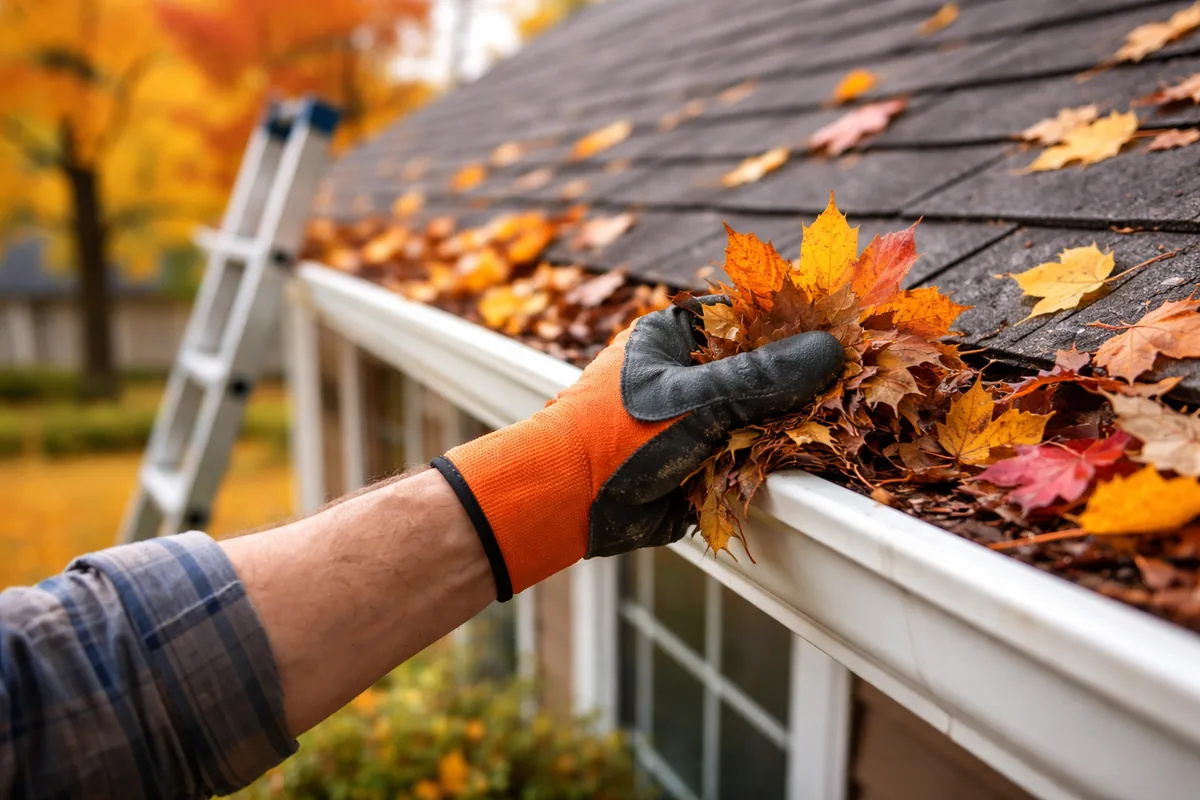
As trees shed their leaves in autumn, clogged gutters can become a significant issue. Leaves, twigs, and other debris accumulate in gutters, obstructing the flow of water. When gutters overflow, not only does this risk damage to the gutters themselves, but it also jeopardizes your roof and landscaping. Water can pool, leading to leaks, and may even find its way into your basement or crawlspace. To help maintain the effectiveness of your gutter system, cleaning them at the onset of fall and again after the peak of leaf drop is recommended.
Signs your gutters need cleaning
Regularly monitor your gutters for signs that they may need cleaning beyond the recommended schedule. If you notice water spilling over the sides of your gutters during a rainstorm, this indicates blockages preventing proper drainage. Additionally, if you see visible debris in the gutters or on the ground directly beneath them after a rain, it’s time to clean them out. Other signs include rust or paint peeling on the exterior of your home, as trapped water can cause moisture problems and damage finishes.
Preparing for gutter cleaning
Before cleaning your gutters, safety should be your top priority. Ensure you have a sturdy ladder that extends at least 3 feet above the gutter line. Wear gloves to protect your hands from sharp debris, and consider using safety goggles to shield your eyes from dust and insects. For those who prefer to avoid climbing ladders, hiring a professional service may be the best option. Many companies offer fall gutter cleaning packages that include maintenance of other home exterior features, providing value and peace of mind.
Steps to clean your gutters
Assuming you've chosen to DIY, follow these steps for safe and effective gutter cleaning:
- Set up a stable ladder. Make sure it is placed on firm ground.
- Use a trowel or scoop to remove debris from the gutters, placing it into a bucket or on the ground for easy retrieval.
- Flush the gutters with water from a garden hose to ensure the downspouts are clear and functioning.
- Check that downspouts are directing water at least 3-5 feet away from the foundation.
How to deal with gutter clogs
If you notice that your downspouts are clogged and won't clear with a hose, you may need to use a plumber's snake or a high-pressure water nozzle. Insert the nozzle into the downspout to help dislodge debris. If these methods fail, seeking professional help is advisable as persistent clogs can lead to significant damage.
How weather impacts gutter maintenance
Your geographical location can influence how often you need to clean your gutters. Areas with heavy rainfall, frequent storms, or many trees will require more diligent gutter maintenance. In contrast, homes situated in drier climates with fewer trees may not need as frequent cleaning. Regular inspections and cleaning during the fall season help ensure that your gutters are equipped to handle winter rains and snowmelt.
| Region | Recommended cleaning frequency |
|---|---|
| High rainfall areas | Every 4-6 weeks |
| Moderate rainfall areas | Every 8 weeks |
| Dry areas with few trees | Every 3 months |
Maintaining gutter functionality through fall
In addition to regular cleanings, homeowners should inspect gutters for damage during the fall. Look for signs such as sagging sections, cracks, or rust. Small issues can lead to bigger problems if not addressed early. Maintaining proper function through cleaning and inspections helps your gutters last longer, protecting your home effectively.
When to hire professionals
If you find that cleaning gutters is outside of your skill set or if your home is particularly tall or difficult to access safely, hiring professionals is a wise choice. Experts can perform a thorough cleaning, assess any potential damage, and offer advice for preventative maintenance. Moreover, many services provide warranties and follow-up checks, providing additional peace of mind.
FAQ
How do I know if my gutters are clogged?
Signs of clogged gutters include overflowing water during rain, visible debris in the gutters, or water pooling around your home's foundation.
Can I clean my gutters myself?
Yes, you can clean your gutters yourself if you take safety precautions, including using a stable ladder and protective gear.
What happens if I don't clean my gutters?
If gutters are not cleaned regularly, they can become clogged, leading to water damage, mold growth, and compromised structural integrity of your home.
How often should I check my gutters?
It's advisable to check your gutters at least once a month during fall and after heavy storms to ensure they are clear and functioning well.
What tools do I need for gutter cleaning?
Your primary tools include a sturdy ladder, gloves, a trowel or scoop for debris, and a garden hose for flushing the gutters.